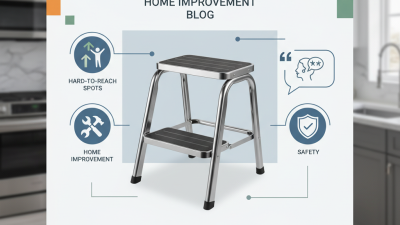
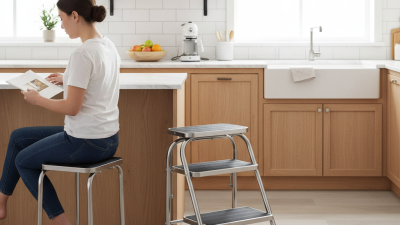
Choosing the right step stool can change a routine task into a safer, steadier experience. A stainless steel step stool may support kitchen work, warehouse access, retail displays, or professional maintenance. Its value depends on more than a shiny metal surface.
This guide examines the top 10 types of stainless steel step stools, including folding models, rolling units, platform stools, and laboratory-style designs. Each type serves a different environment. A compact folding stool may fit beside a refrigerator, while a wheeled platform can help staff reach high shelves. Small details matter. Check the step depth, frame stability, anti-slip surface, load rating, and storage needs before choosing.
Material quality also deserves careful attention. Stainless steel can resist corrosion, but not every grade performs equally in humid or demanding settings. Welds, hinges, casters, and rubber feet often reveal more than appearance. They need inspection. The safest choice is not always the tallest or most attractive model. It should match the user, surface, frequency of use, and working height.
This overview combines practical selection experience with product-focused evaluation. It also recognizes an important limitation: manufacturer claims may differ from real workplace conditions. A stool that feels stable on dry tile may behave differently near dust, oil, or water. Use this comparison as a careful starting point, not a substitute for reading instructions or checking site requirements. Reliability comes from evidence, sensible testing, and honest attention to risks.
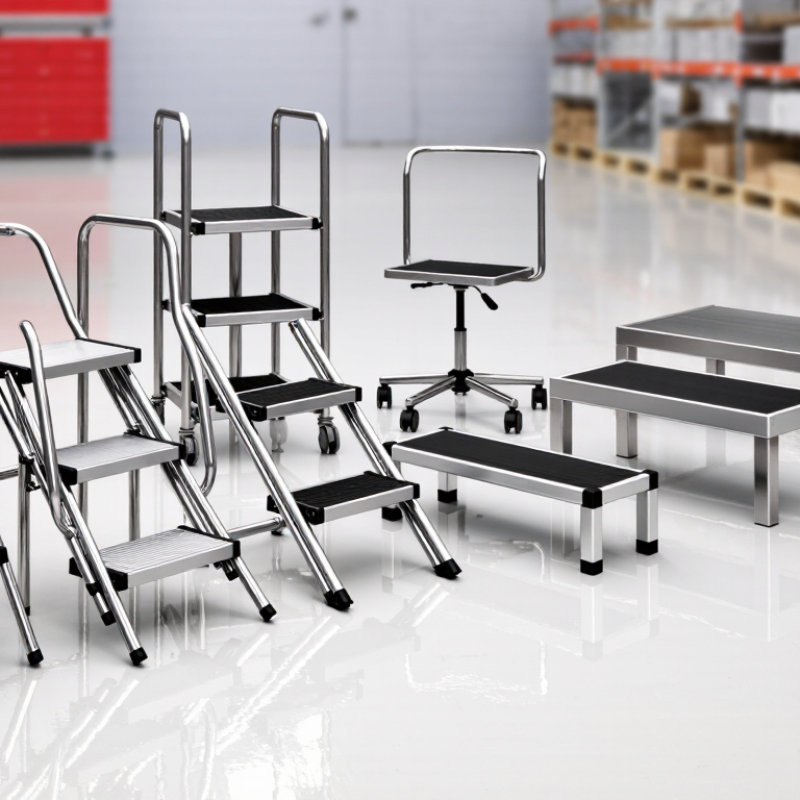
Stainless steel step stools are grouped by structure, height, mobility, and safety features. The ten common types include single-step, two-step, three-step, folding, rolling, platform, handrail, industrial, adjustable-height, and compact household models.
A single-step stool suits quick access to low shelves. Two-step and three-step versions provide greater reach, but they need a wider base.
Folding models save storage space. Rolling stools help users move between work areas, although their wheels require reliable locking systems.
Platform stools offer a broad standing surface for longer tasks. Handrail models give extra support while climbing.
Industrial types usually have stronger frames and higher load ratings. Adjustable-height stools can serve different users, but their locking mechanisms need careful inspection.
Compact household models fit kitchens, offices, and narrow corridors. The categories sometimes overlap. A folding stool may also include a platform and handrail.
In practical use, check the tread texture, frame welds, rubber feet, and stated load capacity.
Smooth stainless steel resists corrosion, yet it can become slippery when wet. That detail is easy to overlook.
Look for evenly balanced legs and secure hinges before every use. A lightweight design is convenient, but excessive lightness may reduce stability.
This is where product descriptions can mislead. Measure the storage area, working height, and user space before choosing. For frequent commercial use, professional safety guidance and local workplace requirements should also influence the decision.
What Are the Top 10 Types of Stainless Steel Step Stools?
Single-step and two-step stainless steel stools are the most practical designs for everyday access. A single-step model usually has a wide, stable platform for reaching low shelves, kitchen cabinets, or storage bins. It is easy to move and store. The best versions use non-slip treads, rounded edges, and reinforced joints. Stainless steel also resists moisture, which helps in kitchens, workshops, and cleaning areas.
Two-step stools provide extra height without becoming as bulky as a ladder. Their upper platform should feel firm under both feet, while the lower step should offer enough space for controlled climbing. Some designs include a support handle, folding structure, or locking mechanism. These details improve confidence, but they do not replace careful use. I once assumed a heavier stool was always safer. That was not entirely correct. Weight matters, but balance, tread depth, and floor contact often matter more.
Tips: Check that every foot touches the floor before climbing. Keep the stool on a dry, level surface. Avoid standing on the top edge of a two-step model. Inspect welds, hinges, and rubber feet regularly. A stool may look polished yet hide a loose joint. For frequent professional use, choose a design with a clear load rating and corrosion-resistant construction. Reconsider your choice if the platform feels narrow, even when the stool appears strong.
Stainless steel step stools come in ten useful types, with folding, collapsible, and telescopic designs leading the practical choices. Folding single-step stools suit kitchens and offices. Folding two-step and three-step models reach higher shelves. Folding platform stools offer a wider standing area, which feels steadier during longer tasks. Some include safety rails or textured platforms. Helpful, but not always necessary.
Collapsible flat-fold stools store easily behind a door. Collapsible nesting stools save space in workshops and cleaning areas. Handle-equipped collapsible models are easier to carry, though handles can reduce standing room. Telescopic single-height stools adjust for occasional tasks. Telescopic multi-height stools provide greater flexibility but need careful locking checks. Telescopic platform stools combine adjustable height with extra foot support. That is the tenth type.
In routine use, stainless steel frames resist dents, moisture, and frequent handling. Check the steel grade, hinge strength, non-slip feet, and stated load rating before buying. A polished surface may look attractive, yet it can feel slippery with wet shoes. Brushed finishes often provide better grip. Small details matter.
I once underestimated storage space. The stool fit under a counter, but its folded hinges scratched nearby tools. That mistake changed my preference for covered hinges and rubber feet. Telescopic sections also collect dust. Clean them before closing. Never trust a locking button without checking both sides. Safety claims should match clear test information, not vague packaging language.
| Type | Typical Configuration | Approx. Platform Height | Steps | Folded or Stored Size | Typical Load Range | Best-Fit Applications | Main Characteristics |
|---|---|---|---|---|---|---|---|
| Single-Step Stainless Steel Stool | One fixed platform with four supporting legs | 200–300 mm (8–12 in) | 1 | Usually non-folding; stores under counters or shelves | 100–150 kg (220–330 lb) | Kitchens, bathrooms, retail areas, and light maintenance | Compact footprint, low center of gravity, and simple cleaning |
| Two-Step Stainless Steel Stool | Two stepped treads with a compact vertical frame | 400–500 mm (16–20 in) | 2 | Fixed or folding versions are common | 100–150 kg (220–330 lb) | Reaching upper cabinets, storage rooms, and service areas | More reach than a single step while remaining easy to move |
| Three-Step Stainless Steel Ladder Stool | Three treads arranged on an angled or vertical ladder frame | 600–750 mm (24–30 in) | 3 | Often folds to approximately 100–180 mm thick | 100–150 kg (220–330 lb) | Home storage, commercial kitchens, libraries, and offices | Useful working height with slip-resistant treads and a portable frame |
| Four-Step Stainless Steel Platform Stool | Four steps ending in a larger standing platform | 800–1,000 mm (31–39 in) | 4 | Folding models typically reduce to 150–250 mm thick | 120–150 kg (265–330 lb) | Stockrooms, hospitality facilities, warehouses, and maintenance work | Higher reach and better standing comfort than basic step stools |
| Folding Stainless Steel Step Stool | Hinged legs or a hinged frame that folds flat | 200–750 mm (8–30 in) | 1–3 | Usually 80–180 mm thick when folded | 100–150 kg (220–330 lb) | Homes, restaurants, offices, and mobile service work | Space-saving storage, quick setup, and easy transport |
| Collapsible Stainless Steel Step Stool | Nested or hinged components collapse into a compact unit | 200–600 mm (8–24 in) | 1–3 | Often less than 100 mm thick or designed for nesting | 90–120 kg (200–265 lb) | Small apartments, vehicles, boats, retail counters, and event storage | Prioritizes minimal storage volume and convenient carrying |
| Telescopic Stainless Steel Step Stool | Sliding or nested sections extend and lock at selected heights | 300–1,000 mm (12–39 in) | 1–4 adjustable levels | Commonly 600–800 mm long when retracted | 100–150 kg (220–330 lb) | Transport, inspection, maintenance, and variable-height access | Adjustable height; locking indicators and clean contact between sections are important |
| Stainless Steel Step Stool with Handrail | One to three steps with a vertical or wraparound support rail | 300–750 mm (12–30 in) | 1–3 | May fold, but the rail generally increases storage height | 100–150 kg (220–330 lb) | Healthcare, hospitality, kitchens, and users needing extra balance support | Improved stability and hand support during climbing and descent |
| Mobile Stainless Steel Step Stool with Casters | Platform or steps mounted on casters with a weight-activated locking system | 400–800 mm (16–31 in) | 1–3 | Usually non-folding; rolls into a designated storage position | 120–150 kg (265–330 lb) | Warehouses, libraries, supermarkets, and food-service areas | Easy repositioning; casters must lock securely before climbing |
| Industrial Stainless Steel Platform Step | Wide fixed platform with reinforced frame, guardrail, or access steps | 500–1,200 mm (20–47 in) | 1–4 | Generally fixed; some versions nest or include folding rails | 150–250 kg (330–550 lb) | Factories, commercial kitchens, cleanrooms, laboratories, and workshops | Heavy-duty construction, broad footing, high corrosion resistance, and a stable work platform |
Stainless steel step stools come in several useful configurations, but their value depends on the working environment. Rolling step stools suit stockrooms and production areas where users move frequently. Swivel casters, locking wheels, and a wide base help control unwanted movement. A two-step rolling model fits light reaching, while a three-step version offers greater height with more climbing effort. Stability comes first.
Handrail step stools add support during climbing and descending. They work well beside shelves, service counters, and laboratory benches. A continuous handrail can improve confidence, especially when both hands are not free. Some designs include rear support rails, while others use a front access opening. The correct choice depends on reach distance, aisle width, and the user’s footwear. I once found that a tall handrail created awkward access beside a narrow shelf. The design was safe in theory, but inconvenient in practice.
Platform step stools provide a larger standing surface than ordinary steps. They are useful when a task requires several minutes of work at height. Textured platforms can reduce slipping, and guardrails may offer extra reassurance. Fixed platform stools suit dedicated workstations, while folding versions save storage space. Warehouse models often combine platforms, handrails, and locking casters. Compact household-style models usually sacrifice platform room for easier handling. Adjustable step stools can solve uneven-height problems, although their mechanisms need regular inspection. That matters. Welds, hinges, wheel locks, and rubber feet should be checked before use, because stainless steel alone does not guarantee dependable performance.
Industrial, Heavy-Duty, and Specialized Stainless Steel Step Stools
The top ten stainless steel step stool types serve different working environments. They include fixed platform stools, mobile safety steps, rolling warehouse stools, folding step stools, adjustable-height stools, tank-access stools, drum-access stools, cleanroom stools, food-processing stools, and marine-grade stools. Industrial models typically use welded frames, deep treads, and protective handrails. Heavy-duty versions need reinforced platforms and stable, wide-set legs. Specialized designs require closer attention to hygiene, corrosion, mobility, or restricted access. A food-processing stool may use smooth welds and rounded corners, while a cleanroom model should minimize dirt-trapping joints. Stainless steel does not automatically mean slip-proof. That assumption deserves review.
Selection should follow the task, load, floor, and cleaning routine. Check the rated capacity, platform height, tread depth, locking system, and wheel brakes. The U.S. Bureau of Labor Statistics recorded 885 fatal workplace falls, slips, and trips in 2023, representing 20.3% of all fatal occupational injuries. OSHA also reported 395 construction fatalities from falls to lower levels in 2022. These figures support practical controls, not just attractive finishes. Choose textured treads for wet areas, adjustable feet for uneven floors, and guardrails for frequent elevated work. A rolling stool can improve reach, but unlocked casters create a serious weakness. In my experience, operators often inspect the frame and forget the floor contact points. That mistake is easy to repeat. Follow manufacturer testing records and applicable standards, including ANSI/ASSP A14.11 where relevant.
Industrial, heavy-duty, and specialized stainless steel step stools compared by typical rated load capacity.
The chart presents representative capacity benchmarks commonly associated with each stainless steel step stool category. Actual ratings vary by construction, platform size, safety features, and applicable workplace standards. Heavy-duty, rolling, and industrial models generally support higher loads, while folding and compact models prioritize portability.
This website uses cookies to ensure you get the best experience on our website. Learn More
ACCEPT