2026 Best UV Light for Cleaning Rooms Buying Guide
Choosing the best uv light for cleaning rooms in 2026 requires more than comparing brightness, price, or online ratings. A reliable buying decision starts with the room itself: its size, ceiling height, surfaces, airflow, and daily use. A small bedroom needs different coverage from a clinic waiting area or hotel suite. Measure carefully.
Not every UV device disinfects effectively. Performance depends on wavelength, irradiance, exposure time, distance, and shadows behind furniture. Many consumer products provide limited test information. That matters. Look for clear laboratory data, safety certifications, timer controls, motion sensors, and manufacturer instructions. A device claiming instant sterilization should be viewed cautiously.
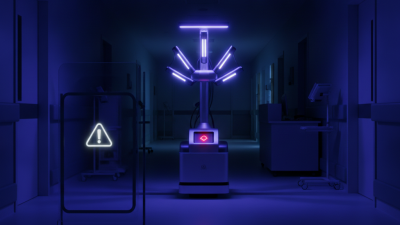
Safety cannot be treated as an optional feature. Germicidal UV-C can injure eyes and skin, even during short exposure. Never operate an open UV-C lamp around people, pets, or plants. Remove occupants, follow the stated treatment time, and ventilate the room if the unit may generate ozone. Some products are marketed confidently, but their real-world coverage may be uneven. I have found that dust, curtains, and furniture can create untreated areas that product photographs rarely show.
This guide compares lamp types, coverage ratings, operating controls, replacement costs, and independent evidence. It also explains when UV treatment may support cleaning, rather than replace it. Wiping visible soil still matters. The best choice is not always the most powerful model. It is the one that fits the room, documents its claims, and can be used consistently without creating unnecessary risk.
UV-C Light Types for Room Cleaning
UV-C Light Types for Room Cleaning
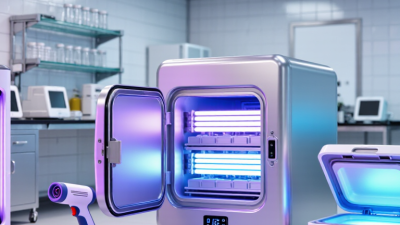
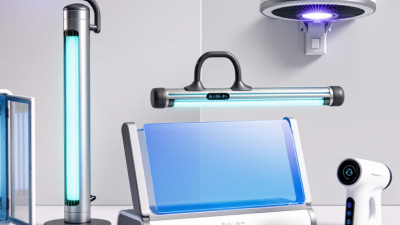
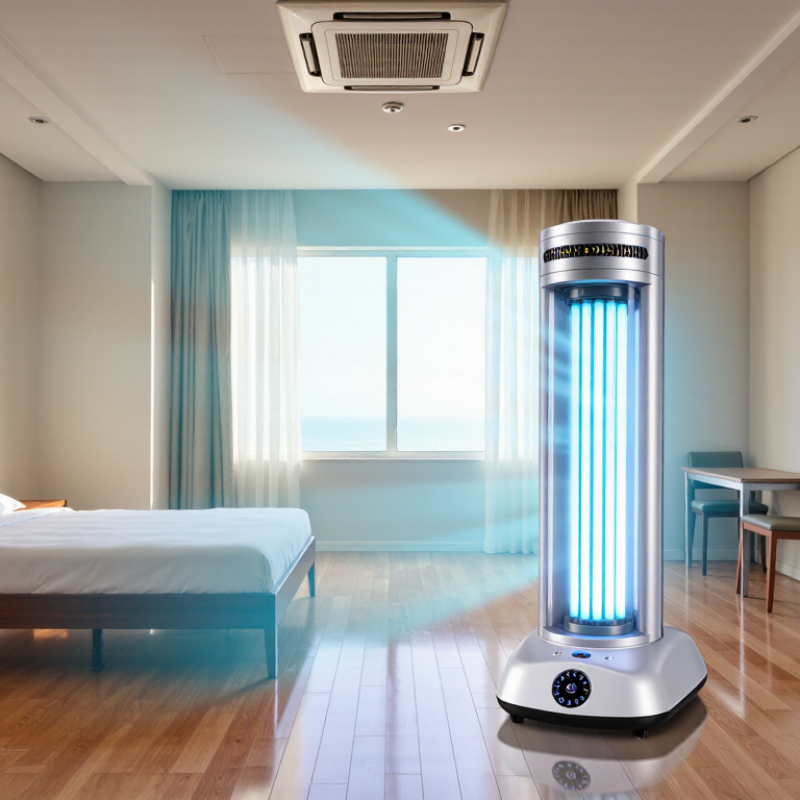
Room-cleaning UV-C devices use different wavelengths and designs. Low-pressure mercury lamps emit near 254 nanometers, a widely studied germicidal wavelength. UV-C LEDs commonly operate between 260 and 280 nanometers. Far-UVC systems typically target approximately 222 nanometers. The Illuminating Engineering Society’s IES CR-2-20 report explains that delivered dose matters more than lamp wattage. Distance, exposure time, airflow, and shadows can change results sharply. A bright lamp may still miss fabric folds and cabinet corners.
There are three practical formats. Enclosed chambers treat objects without exposing occupants. Upper-room systems disinfect moving air above head height. Portable open-room units treat empty spaces and require strict access controls. ASHRAE’s 2023 HVAC Applications Handbook presents upper-room UVGI as an air-treatment method, not a replacement for ventilation or filtration. That distinction is easy to overlook. Room air must actually circulate through the irradiated zone.
Mercury lamps are established, but they contain hazardous materials and need careful disposal. LEDs offer compact designs and instant operation, although their output and lifetime vary. Far-UVC may reduce penetration into outer skin layers, yet safety depends on verified emissions, shielding, and exposure limits. CIE 155:2003 emphasizes organism-specific dose responses. No universal runtime exists. A reflective floor, dusty lens, or crowded room can reduce performance. My buying rule remains imperfect: choose validated dose data over impressive brightness claims, and treat occupancy protection as essential.
How UV-C Disinfection Works in Enclosed Spaces
UV-C disinfection uses short-wave ultraviolet energy to damage microbial DNA and RNA. When microorganisms receive enough dose, they lose the ability to reproduce. Dose depends on light intensity and exposure time. A lamp may look bright but still deliver uneven coverage. UV-C itself is invisible. In an enclosed room, energy travels mostly in straight lines. Dust, fabric folds, furniture, and shadowed corners can block it. Room geometry matters as much as lamp power.
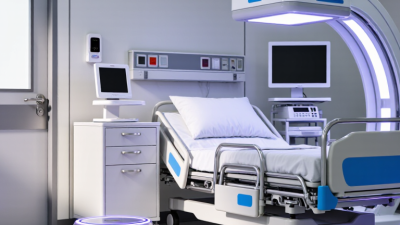
The room must be unoccupied during direct UV-C operation. Exposure can injure skin and eyes, even during a short cycle. Reliable equipment should include timers, door interlocks, motion sensors, or remote controls. Look for clear irradiance data, coverage assumptions, and maintenance instructions. A qualified UV-C meter can help verify output, but readings require proper technique. Some lamps may generate ozone, so check independent safety documents and ventilation requirements before buying.
In practice, clean visible soil first. UV-C cannot reliably disinfect beneath grease, dust, or dried residue. Moveable objects may need repositioning between cycles. I would not treat one timed cycle as proof of full-room disinfection. Lamp aging, blocked airflow, and a damaged sensor can change performance quietly. Keep a simple log of operating hours and inspections. Small oversights matter here.
Choosing the Right UV-C Light for Room Size
2026 Best UV Light for Cleaning Rooms Buying Guide
Choosing a UV-C light by room size requires more than reading its coverage label. Measure the room’s length, width, and ceiling height first. A small bedroom may need less radiant output than a large open living area, but distance changes the received dose. UV-C intensity weakens quickly as the light moves farther away. Walls, furniture, curtains, and dust can also create shaded areas where microorganisms may remain.
For larger rooms, look for documented irradiance, treatment time, and testing conditions. Do not rely on wattage alone. A high-wattage lamp may still perform poorly when placed too far from surfaces. Professional guidance is especially important for upper-room systems or equipment used near occupied spaces.
Direct UV-C exposure can injure eyes and skin. People, pets, and plants should leave the room unless the system is specifically designed for safe occupancy. Use timers, motion sensors, or door interlocks when available.
Tips:
Match the device’s tested coverage to your actual room volume. Keep the lamp’s path clear. Rotate movable objects between cycles, because UV-C cannot clean through shadows. Follow the manufacturer’s distance and exposure instructions exactly. I would also check independent safety documentation, not only sales claims. Room geometry is easy to underestimate. When uncertain, choose a slower, better-documented setup rather than the strongest lamp.