Top UVC Disinfection Robots for Global Buyers in 2026?
As we approach 2026, the demand for UVC disinfection robots is anticipated to surge. This growth is fueled by heightened awareness of hygiene standards in various sectors. According to a recent industry report from MarketsandMarkets, the UVC disinfection market is projected to reach approximately $4.8 billion by 2026, expanding at a CAGR of 22.5% from 2021. Such statistics highlight the critical role that UVC disinfection robots play in ensuring safety in healthcare, hospitality, and public spaces.
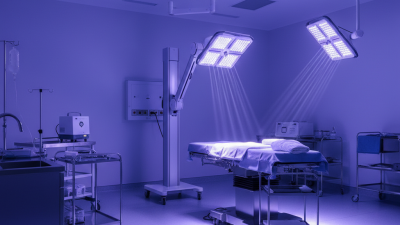
UVC disinfection robots are designed to eliminate pathogens effectively. They utilize ultraviolet light to disinfect surfaces, reducing the risk of infection outbreaks. Data from the American Journal of Infection Control indicates that UVC technology can achieve disinfection rates of over 99% in controlled environments. However, while these robots offer promising solutions, their efficiency can vary based on environmental factors and correct operational procedures. Buyers must consider these variables when integrating UVC disinfection robots into their facilities.
Investing in UVC disinfection robots is a significant step towards enhancing public health safety. Nonetheless, organizations should remain cautious, as over-reliance on technology might lead to complacency in standard cleaning practices. Adopting these innovations requires a balanced approach to hygiene, blending human efforts with automated solutions to achieve optimal results.
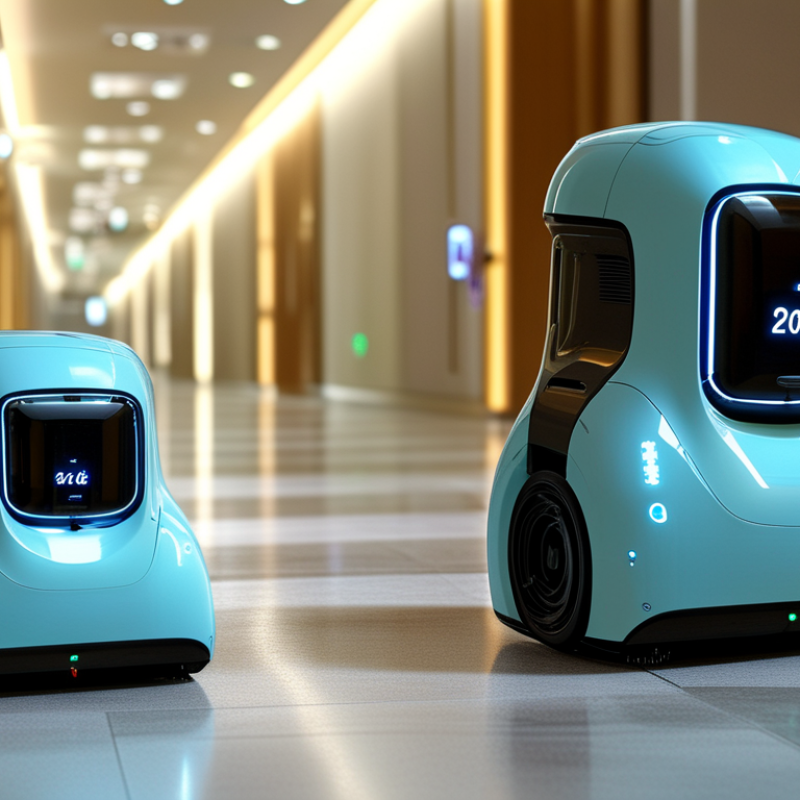
Top UVC Disinfection Robots: Overview of 2026 Market Trends
The UVC disinfection robot market is evolving rapidly, driven by increasing health awareness and technological advancements. According to a recent market report, the global UVC disinfection robots market is expected to exceed $5 billion by 2026. The demand is surging in sectors like healthcare, hospitality, and transportation, emphasizing the need for rigorous sanitation practices. As businesses seek to ensure safer environments, UVC technology offers a promising solution.
Factors influencing these trends include effectiveness against pathogens and growing adoption rates. UVC disinfection robots can reduce the time and labor required for cleaning, which is particularly valuable for large facilities. A survey from industry analysts indicates that about 70% of facility managers are considering UVC technologies for future implementations. However, it’s crucial to evaluate the reliability and efficiency of different models, as not all UVC devices are created equal.
When choosing a UVC robot, consider operational efficiency and safety standards. Ensure the model is tested for efficacy against a wide range of pathogens. Investing in quality technology can lead to better outcomes and long-term savings. Awareness of potential over-reliance on automation is essential too. Balancing UVC robotic cleaning with traditional methods may provide the best results in maintaining hygiene standards.
Key Features and Technologies Driving UVC Disinfection Robot Efficiency
UVC disinfection robots are making waves in various sectors. These robots use ultraviolet light to eliminate pathogens effectively. Recent studies show that UVC light can reduce microbial load by up to 99.9% in just minutes. This remarkable efficiency is a driver behind the growing adoption of these devices.
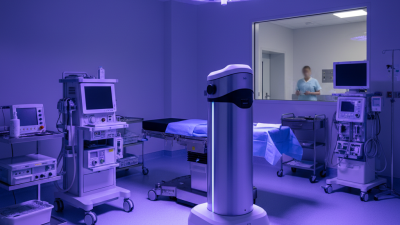
Key technologies contribute to the effectiveness of UVC robots. Advanced mobility systems allow for seamless navigation in complex environments. Some robots are now equipped with AI for real-time decision-making and obstacle avoidance. Furthermore, the integration of high-intensity UVC lamps accelerates the disinfection process. However, operators must ensure that the robots cover all necessary areas, as blind spots can lead to compromised safety.
Despite their advantages, challenges remain. User training is essential for optimal operation. Misunderstandings about UVC safety can hinder effective use. Establishing standards for UVC dosage and exposure times is still a work in progress. This requires ongoing research and collaboration among industry experts.
Comparative Analysis of Leading UVC Disinfection Robots in 2026
As UVC disinfection robots gain traction worldwide, a comparative analysis reveals key features that set them apart. These robots vary significantly in design, functionality, and efficiency. Some models boast larger UVC coverage areas, while others focus on higher portability. Design nuances play a crucial role in their operational efficiency.
In 2026, the emphasis is on how well these robots integrate with existing cleaning systems. Many models use advanced sensors for obstacle detection. This capability allows them to navigate diverse environments effectively, such as hospitals or schools. Yet, users often face challenges regarding maintenance and operational learning curves. It's essential to assess how user-friendly these models are.
The power of UVC light is effective, but the method of operation matters too. Some robots operate continuously, while others rely on scheduled cleaning times. This variability can impact their overall effectiveness. Reflection on these aspects reveals that there is no one-size-fits-all solution. Your choice will hinge on specific needs and the environment in which the robot operates. An informed decision requires a focus on both efficiency and user adaptability.
Top UVC Disinfection Robots for Global Buyers in 2026
| Model |
UVC Output (W) |
Coverage Area (m²) |
Battery Life (hrs) |
Weight (kg) |
Price (USD) |
| Robot A |
300 |
1000 |
4 |
25 |
8000 |
| Robot B |
250 |
800 |
5 |
20 |
6000 |
| Robot C |
350 |
1200 |
3 |
30 |
9500 |
| Robot D |
400 |
1500 |
6 |
28 |
11000 |
| Robot E |
280 |
900 |
4.5 |
22 |
7500 |
Market Share and Growth Projections for UVC Disinfection Robots Globally
The UVC disinfection robot market is projected to see significant growth in the coming years. According to a recent market analysis report, the global UVC disinfection robot market was valued at approximately $500 million in 2022. It is expected to reach an estimated $2 billion by 2026, reflecting a compound annual growth rate (CAGR) of around 32%. This substantial increase suggests a heightened focus on sanitization across various sectors, including healthcare, hospitality, and public transportation.
Demand for these robots is fueled by the growing awareness of infection control. As more facilities seek efficient disinfection methods, UVC disinfection robots offer a compelling solution. Reports indicate that the healthcare segment will dominate the market, expected to account for nearly 50% of the total share. Nevertheless, challenges remain. The effectiveness of disinfection can vary based on factors like room configuration and surface types. Many potential users express concerns about the robots’ ability to access hard-to-reach areas.
Investments in technology are crucial for the future of UVC disinfection robots. Current robots might not provide complete efficacy due to limitations in UV-C light penetration. Continuous improvements in design and functionality are necessary to enhance performance. As the market evolves, staying informed about advancements will be essential for stakeholders. Emphasizing effective integration will support broader adoption and better public health outcomes.
Regulatory Standards and Safety Considerations for UVC Robots in Healthcare
The growing use of UVC disinfection robots in healthcare raises important regulatory standards. Hospitals and clinics must ensure these devices meet safety requirements. This ensures both patient and staff safety. UVC robots emit ultraviolet light, which can be harmful in excess. Proper shielding is essential to minimize exposure to humans.
In many regions, regulations may dictate how and when these robots can be deployed. This includes guidelines for their operation in busy environments. Some facilities may lack clear protocols regarding operation times and exposure levels. Training staff on UVC safety is crucial for effective implementation. Uncertainties surrounding these robots often lead to inconsistency in their use.
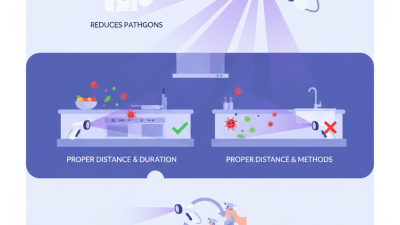
Despite their benefits, UVC robots should not replace traditional cleaning methods. Their effectiveness is influenced by factors like distance and surface types. Regular assessments of their performance are necessary. Facilities must remain vigilant about potential limitations. Ensuring compliance with evolving regulations is key to fostering confidence in UVC technology.