Top 10 Infection Control Conferences to Attend in 2026?
Infection control is vital in healthcare. Attending infection control conferences can enhance knowledge and practices. These events gather experts and professionals who share insights on the latest research and trends.
In 2026, several infection control conferences stand out. Each offers unique opportunities for learning and networking. Participants can learn about effective strategies to prevent infections. Engaging in discussions can lead to better solutions in combating healthcare-associated infections.
As we explore these conferences, it's essential to reflect on our own practices. While numerous advancements exist, challenges remain. What we learn can shape a safer future in healthcare. Attending these conferences can inspire new ideas and improve outcomes in infection control.
Overview of Infection Control Conferences in 2026
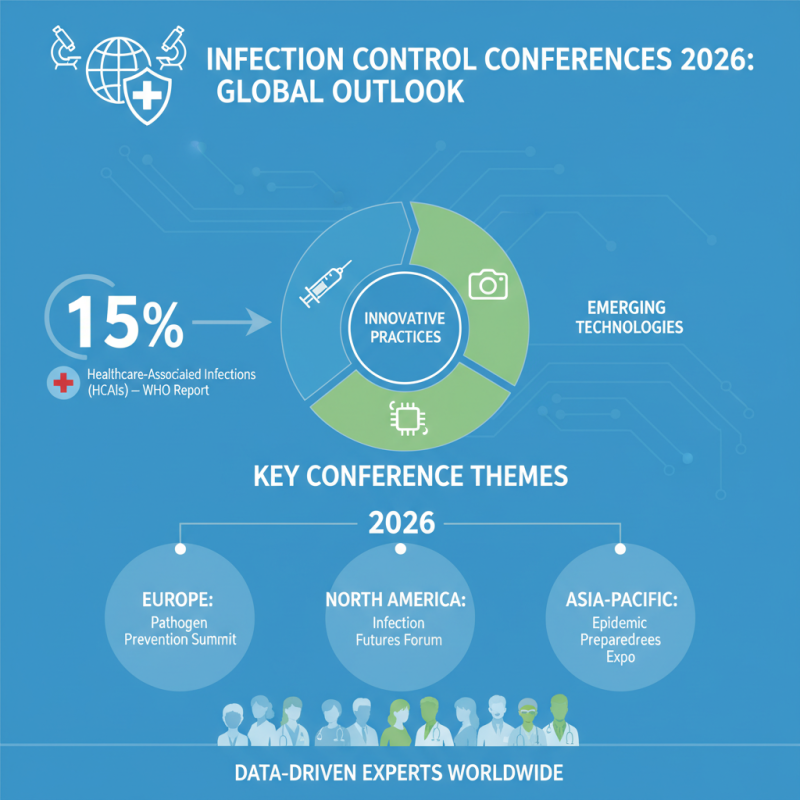
Infection control remains a critical topic in healthcare as global uncertainty surrounds emerging pathogens. The World Health Organization (WHO) reported that nearly 15% of patients experience healthcare-associated infections (HCAIs). Conferences in 2026 will focus on innovative practices, surveillance systems, and emerging technologies to combat this issue. Attendees can expect a diverse representation of experts sharing data-driven insights.
Collaborative sessions will encourage discussions on antibiotic resistance, a growing concern. According to the Centers for Disease Control and Prevention (CDC), antibiotic resistance contributes to over 2.8 million infections annually in the United States. This alarming statistic underscores the necessity for ongoing education and innovative solutions, making conferences invaluable platforms for professionals.
Networking opportunities will be significant. Participants will engage with leaders in infection control and gain insights into best practices. While many advancements are commendable, there is a need for continuous reflection on the implementation challenges that healthcare professionals face. Not every approach will be universally effective, and varying contexts must be considered. This variety highlights the importance of adapting knowledge to local environments.
Criteria for Selecting Top Infection Control Conferences
When selecting the top infection control conferences, several key criteria are essential. Expertise in infection control is paramount. According to a recent study by the World Health Organization, proper training reduces hospital-acquired infections by up to 30%. Conferences showcasing evidence-based practices attract leading experts.
Another critical factor is the diversity of topics covered. Conferences should address various areas, including antimicrobial stewardship, outbreak management, and infection prevention strategies. Engaging sessions and hands-on workshops encourage knowledge sharing. A report from the Centers for Disease Control and Prevention highlights that multidisciplinary approaches lead to more effective solutions.
Accessibility and networking opportunities also play a vital role. Virtual platforms should be available for global participation. Effective networking can foster collaborations that enhance infection control practices. Data indicates that interdisciplinary teamwork can significantly lower infection rates. Therefore, selecting conferences with a broad reach can make a substantial impact on infection control strategies.
Highlights of Notable Speakers and Workshops
In 2026, several infection control conferences promise significant insights into advancing healthcare practices. Many renowned experts will share their research and experiences. Notable speakers include prominent epidemiologists who specialize in infectious diseases. Their sessions will cover breakthroughs in infection prevention and control strategies.
Workshops at these conferences will focus on practical skills and real-world applications. Participants can expect hands-on training sessions involving infection control protocols and technologies. For instance, a workshop may explore the latest in sterilization techniques. Attendees will likely find opportunities for networking and collaboration with peers from various disciplines.
However, not all sessions may meet expectations. Some speakers might focus too much on theory rather than practical applications. It’s crucial for attendees to engage in discussions and ask critical questions. Reflecting on the presented information will guide future improvements in infection control practices. Each participant should walk away inspired but also aware of the ongoing challenges in this ever-evolving field.
Emerging Trends in Infection Control Discussed at Conferences
Infection control is evolving rapidly. As we approach 2026, key trends emerge at conferences dedicated to this vital field. Recent reports from the World Health Organization indicate that healthcare-associated infections (HAIs) affect millions yearly, emphasizing the need for ongoing education and innovation.
At these upcoming conferences, experts will focus on antimicrobial resistance (AMR). The Centers for Disease Control and Prevention (CDC) reports that nearly 3 million infections occur yearly due to drug-resistant pathogens. Discussions will revolve around strategies to combat AMR, including improved surveillance and novel treatment approaches. Expect panels featuring researchers who share insights about breakthroughs in pathogen detection and infection prevention.
Another hot topic involves the integration of technology in infection control. Data shows that automation and AI can reduce HAIs by up to 30%. However, challenges persist. Not all facilities can implement advanced technologies due to resource constraints. Attendees will explore how to bridge these gaps and ensure equitable access to the latest advancements. This conversation is essential as the gap between technology and practice can impact patient safety significantly.
Networking Opportunities and Industry Collaborations
Attending infection control conferences in 2026 presents vibrant networking opportunities. These events gather experts from various fields, fostering collaboration and innovation. Participants can share insights, discuss challenges, and develop strategies to address pressing issues in infection control. This collaborative atmosphere enhances knowledge exchange and sparks new ideas.
In addition to formal presentations, conferences often feature informal meetups. These moments allow attendees to connect on a personal level. Building relationships with fellow professionals can lead to future partnerships. It’s an opportunity for mentorship and sharing experiences. However, with so many attendees, it’s easy to feel overwhelmed. Finding the right connections may require effort and patience.
Networking can sometimes feel superficial. Connecting with a multitude of professionals does not guarantee meaningful relationships. Reflection on interactions is crucial. Identifying key individuals who share similar goals can strengthen the impact of the conference experience. Ultimately, the goal is to leave with valuable contacts and actionable insights.
Top 10 Infection Control Conferences to Attend in 2026
| Conference Name |
Location |
Dates |
Focus Area |
Expected Attendees |
| International Infection Control Conference |
Toronto, Canada |
May 15-17, 2026 |
Infection Prevention Strategies |
1500+ |
| Global Summit on Antimicrobial Resistance |
Berlin, Germany |
June 5-7, 2026 |
Antibiotic Stewardship |
1200+ |
| Annual Infection Control and Hospital Epidemiology Conference |
Atlanta, USA |
August 13-16, 2026 |
Hospital Epidemiology |
2000+ |
| World Congress on Infection Prevention |
Tokyo, Japan |
September 22-24, 2026 |
Global Infection Control |
1800+ |
| Infection Control and Prevention Innovations Symposium |
Sydney, Australia |
October 10-12, 2026 |
Innovative Practices |
1000+ |
| National Healthcare Safety Network Conference |
Washington, D.C., USA |
November 3-5, 2026 |
Safety and Quality Metrics |
1300+ |
| European Conference on Infection Prevention and Control |
Barcelona, Spain |
December 1-3, 2026 |
Policy and Practice Sharing |
1500+ |
| Asia Pacific Infection Prevention Conference |
Seoul, South Korea |
January 25-27, 2026 |
Regional Challenges |
900+ |
| Healthcare-Associated Infections Symposium |
London, UK |
April 15-17, 2026 |
Infection Control in Healthcare Settings |
1100+ |
| World Forum on Infection Control |
Dubai, UAE |
February 14-16, 2026 |
Global Trends and Solutions |
1600+ |