How to Choose UV Light Machines for Global Sourcing?
Choosing UV light machines for global sourcing requires more than comparing lamp wattage or catalog prices. Buyers must match the machine with the application, target surface, airflow, treatment distance, and required exposure time. A device designed for water treatment may perform poorly in air, while a compact surface unit may leave shaded areas untreated. Small details matter: wavelength, irradiance, dose, cooling, lamp replacement, sensor accuracy, and operating noise.
Professor Karl G. Linden, a recognized UV disinfection researcher, emphasizes, “UV performance depends on delivered dose, not lamp power alone.” This principle should guide every supplier discussion. Ask for measured irradiance data, test conditions, calibration methods, and realistic service-life results. Request product samples when possible. A factory video is useful, but it cannot replace independent verification. That is easy to forget.
Global sourcing also demands disciplined supplier evaluation. Check manufacturing experience, quality-control records, technical documentation, warranty terms, spare-part availability, and packaging for long-distance transport. Confirm whether the supplier can support different voltage systems and provide clear user instructions. Relevant certifications should be verified against the destination market, not accepted from a copied certificate image.
Some purchasing decisions remain imperfect. Laboratory results may not represent a busy warehouse, clinic, or production line. Supplier claims may sound precise but hide inconsistent testing. Good buyers leave room for inspection, pilot trials, and technical questions. The safest choice is rarely the cheapest machine. It is the model with transparent evidence, stable performance, and support that remains available after delivery.
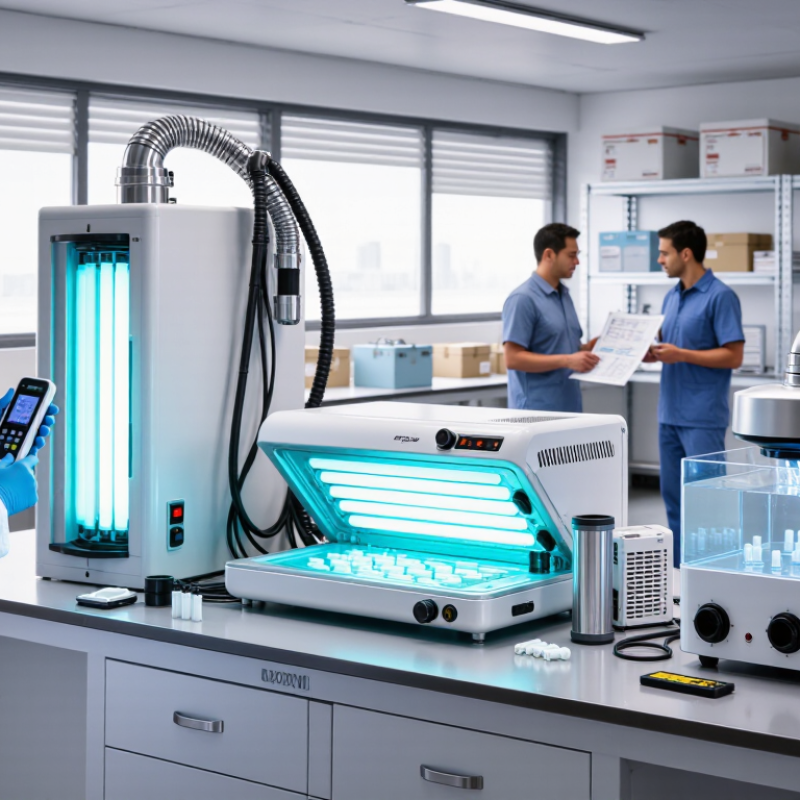
UV Light Machine Types and Their Global Sourcing Applications
How to Choose UV Light Machines for Global Sourcing?
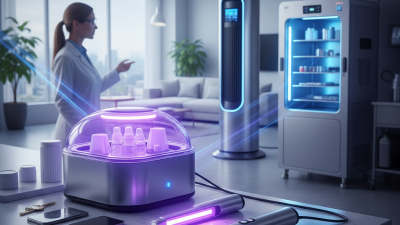
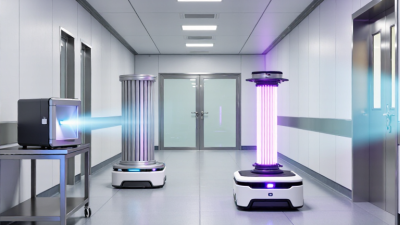
UV light machines serve different sourcing needs, so type selection should follow the application. Low-pressure UV-C systems suit water and air disinfection because they provide stable output and efficient operation. LED UV-C units work well for compact surface treatment, portable equipment, and installations needing frequent switching. UV curing machines use UVA wavelengths to harden inks, coatings, adhesives, and electronic materials. Excimer systems support specialized surface modification, but they require stricter engineering controls and maintenance. The machine’s wavelength, irradiance, exposure time, and treatment distance must match the material and process.
For global sourcing, technical documents matter as much as price. Request test reports, electrical specifications, safety interlock details, replacement lamp information, and calibration procedures. Check voltage compatibility for the destination market. Confirm enclosure design, cooling performance, and spare-part availability before placing an order. A common mistake is comparing rated power instead of actual UV dose. That can create uneven treatment, damaged materials, or poor disinfection results. No option is perfect. Some LED systems save energy but may cost more initially.
Tips: Define the target application before contacting suppliers. Ask for measured irradiance at the working distance. Review sample results under real production conditions. Choose suppliers that provide traceable testing, clear manuals, and responsive technical support. I would also inspect packaging and shipping protection, because fragile quartz parts can fail before installation.
Key Specifications for Comparing UV Light Machines
When sourcing UV light machines globally, compare measurable specifications rather than catalog claims. Wavelength is critical. UV-C systems commonly target 200–280 nanometers, but the selected range must match the application. Ask for calibrated irradiance data at the actual working distance. Dose equals irradiance multiplied by exposure time. A powerful lamp can still perform poorly if coverage is uneven.
The International Ultraviolet Association emphasizes dose validation and independent measurement in its technical guidance. CIE 155:2003 also explains how UV exposure depends on wavelength and biological response.
For LED systems, the U.S. Department of Energy’s 2023 SSL R&D Plan identifies efficiency, thermal management, and useful lifetime as continuing development challenges.
Compare optical output after warm-up, not only input wattage. Check uniformity across the chamber, cooling design, lamp replacement intervals, control accuracy, and energy use per cycle. These details often reveal the real operating cost. A low purchase price may hide weak output and frequent maintenance.
Tips:
Request a third-party test report showing wavelength, irradiance, dose, uniformity, and measurement uncertainty. Confirm whether readings were taken with a calibrated instrument. Review IEC 62471 photobiological safety documentation, interlocks, shielding, and emergency shutoff functions. Ask for manuals, spare-part availability, and local service response times.
I would not rely on one impressive number. Supplier data can look precise, yet testing conditions may remain unclear. Compare identical distances, cycle times, and load conditions before approving a machine.
Safety, Compliance, and Certification Requirements
How to Choose UV Light Machines for Global Sourcing?
Safety, Compliance, and Certification Requirements
When sourcing UV light machines, safety evidence should come before price or output claims. UV-C can injure eyes and skin without immediate pain. The ACGIH 2024 Threshold Limit Values list 6 mJ/cm² as the daily exposure limit at 254 nm. Treat this as a design boundary, not a marketing feature. Ask suppliers for measured irradiance, exposure time, leakage tests, and a calibrated laboratory report. IEC 62471 also helps evaluate photobiological risks across lamps, LEDs, and complete equipment. A machine may pass one test and still need another.
Compliance depends on the destination market. Request electrical safety testing under relevant IEC standards, electromagnetic compatibility results, and documentation for materials, cables, switches, and interlocks. If the machine generates ozone, check emissions against the importing country’s requirements. The U.S. FDA warns that some UV-C products may produce hazardous ozone or expose users to unsafe radiation. Certification marks alone are not enough. Verify the certificate number, factory address, testing scope, and current validity with the issuing body.
Tips: Ask for a sample unit before bulk purchasing. Place a UV sensor inside the chamber. Test door interlocks three times. Keep records. This step is often skipped. It should not be. Suppliers may provide polished reports, but independent verification can reveal uneven dose distribution, weak shielding, or inaccurate timers. I would also question any claim using “100% sterilization.” Real performance changes with distance, shadowing, surface condition, and maintenance.
Supplier Evaluation, Quality Control, and Product Verification
Choosing UV light machines for global sourcing requires more than comparing lamp power and prices. A supplier should provide measured irradiance, wavelength, exposure time, and test distance. The CIE 155:2003 report identifies approximately 265 nanometres as the strongest germicidal wavelength, while many commercial lamps operate near 254 nanometres. That difference matters. Ask for calibrated spectrometer results, not only marketing claims.
Supplier evaluation should include factory audits, component traceability, and batch-level inspection records. Check whether the supplier verifies output after assembly, not just before shipment. ASHRAE’s 2023 HVAC Applications Handbook emphasizes that UV performance depends on dose, airflow, surface distance, and exposure duration. Request testing under realistic conditions, including dusty covers, moving air, and repeated operating cycles. A bright lamp may still deliver insufficient dose.
Safety documentation is equally important. IEC 62471 evaluates photobiological risks, and ISO 15858 addresses UV-C safety information. Confirm interlocks, shielding, warning labels, emergency shutoffs, and leakage measurements. Product verification should use an independent laboratory when possible. A polished datasheet is not proof. One common sourcing mistake is accepting a single test sample as representative. Require random samples from production batches, serial-number records, and raw test files. Leave room for doubt; supplier confidence can be useful, but repeatable evidence is stronger.
Cost, Logistics, and After-Sales Support Considerations
How to Choose UV Light Machines for Global Sourcing?
Cost should be assessed beyond the purchase price. Ask for a complete quotation covering lamps, controllers, testing, packaging, and spare parts. A cheaper machine may require expensive replacements later. Check power consumption, lamp lifespan, and maintenance intervals. These details affect the real operating cost. I have seen buyers compare only unit prices and miss installation expenses. That approach often fails.
Logistics can change the project schedule quickly. Confirm crate dimensions, gross weight, loading requirements, and delivery terms before ordering. Verify voltage, frequency, plug design, and local import documents. Request photos of internal packaging, especially for fragile quartz components. One damaged lamp can delay commissioning. Allow extra time for customs clearance. My earlier estimates were sometimes too optimistic, particularly during peak shipping periods.
Tips: Ask for a factory acceptance test video before shipment. Request a written spare-parts list with prices and availability. Clarify who pays for remote setup, travel, and replacement components. After-sales support should include operating manuals, troubleshooting steps, and a named technical contact. A reliable supplier should explain response times honestly, not promise instant service everywhere. Check whether training is provided in your working language. Also, confirm warranty exclusions in plain wording. Small details matter. Be willing to revise your evaluation after technical testing, because initial assumptions can be wrong.